Tianeptine
Category: synthetic-drugs
Key Facts About Tianeptine
- >Tianeptine is an atypical antidepressant sold illegally as 'gas station heroin' under brand names like Zaza, TD Red, Pegasus, and Tianna
- >FDA issued warnings in 2024 after receiving reports of seizures, loss of consciousness, and deaths from tianeptine use
- >Banned as Schedule I or II controlled substance in 15+ states including Alabama, Indiana, Michigan, Minnesota, Ohio, Tennessee, Georgia, Mississippi, Oklahoma, North Carolina, Kentucky, and Florida
- >Users take 50-10,000 mg daily (50-250 times the prescribed antidepressant dose), causing severe opioid-like withdrawal within hours
- >Withdrawal lasts 4-20 days acutely with protracted symptoms persisting up to 6 months; 20 cases in New Jersey ICU cluster in early 2024
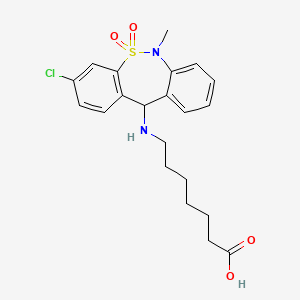
Chemical Data
| Chemical Name | 7-[(3-chloro-6,11-dihydro-6-methyl-5H-dibenzo[c,f][1,2]thiazepine-5-yl)amino]heptanoic acid |
| Formula | C21H25ClN2O4S |
| Molecular Weight | 436.95 g/mol |
| Drug Class | Atypical tricyclic antidepressant |
| Legal Status (US) | Not FDA-approved; banned in 15+ states |
What Is Tianeptine?
Tianeptine is an atypical tricyclic antidepressant originally developed in France and approved in over 60 countries for treating major depressive disorder. It is not approved by the FDA in the United States. However, since the early 2020s, it has become available illegally as a street drug sold under names including Zaza, TD Red, Pegasus, Tianna, and Neptune's Fix.
At therapeutic doses (12.5-37.5 mg daily for depression treatment), tianeptine acts differently from typical antidepressants. However, street users take massive doses between 50 and 10,000 mg daily - up to 250 times the recommended antidepressant dose - to achieve opioid-like recreational effects including euphoria, relaxation, and dissociation.
How Tianeptine Became a Street Drug
Tianeptine is sold in powder, capsule, and tablet form at convenience stores, gas stations, vape shops, and online retailers. The products are often marketed as nootropics, dietary supplements, or "research chemicals" to circumvent regulations. Street users discovered that at high doses, tianeptine acts as a mu-opioid receptor agonist, producing effects similar to heroin or other opioids.
The FDA notes that product names and marketing claims evolve constantly as retailers attempt to stay ahead of state bans. Users report strong psychological dependence develops within days of regular use at high doses.
Short-Term Effects
- Euphoria and relaxation - Users report feelings of intense pleasure, calm, and reduced anxiety within 30-60 minutes of ingestion
- Pain relief - Opioid-like analgesia reduces perception of physical pain and discomfort
- Sedation - Drowsiness, reduced alertness, and sedative effects similar to heroin
- Impaired cognition - Difficulty concentrating, confusion, memory problems, and poor decision-making
- Nausea and vomiting - Gastrointestinal distress, particularly at higher doses
- Respiratory depression - Slowed breathing, especially when combined with other depressants
- Tachycardia - Elevated heart rate and palpitations reported in medical cases
- Pupil constriction - Pinpoint pupils characteristic of opioid use
Long-Term Effects
Physical Effects
- Severe dehydration and electrolyte abnormalities - Chronic use causes imbalances in sodium, potassium, and other minerals critical for heart and nervous system function
- Cardiovascular complications - Hypertension, tachycardia, and abnormal heart rhythms increase risk of heart attack and stroke
- Seizures - The FDA specifically warned of seizure risk; cases reported during intoxication and withdrawal
- Respiratory dysfunction - Chronic respiratory depression leads to oxygen deprivation and lung damage
- Gastrointestinal damage - Chronic nausea, vomiting, and constipation from opioid effects; ulcers and bleeding possible
- Liver and kidney damage - Many street formulations contain contaminants or acetaminophen, causing organ toxicity
- Weight loss and malnutrition - Loss of appetite and poor nutrition from prioritizing drug use
Psychological Effects
- Physical and psychological dependence - Can develop within 3-7 days of regular use at high doses; intense cravings develop
- Mood disturbances - Depression, anxiety, and irritability both during use and withdrawal
- Cognitive impairment - Memory loss, poor judgment, reduced executive function
- Sleep disturbances - Insomnia or excessive sedation depending on dose timing
- Personality changes - Increased aggression, paranoia, and emotional instability reported
- Social withdrawal - Loss of interest in relationships, work, and activities previously enjoyed
Overdose Deaths & Statistics
Poison control cases involving tianeptine have increased dramatically since the substance became available as a street drug. The FDA continues to receive reports of serious adverse events and deaths.
| Year/Period | Cases/Deaths | Source |
|---|---|---|
| 2020 | 151 cases reported to poison control | FDA |
| 2018 | 2 fatal overdoses in Texas | Journal of Analytical Toxicology |
| Early 2024 | 20 cases in New Jersey; 13 required ICU admission | CDC |
| 2024-2025 | Multiple deaths reported; FDA issued consumer warning | FDA Drug Safety |
The CDC documented a cluster of 20 severe cases in New Jersey in early 2024, with 13 patients requiring ICU-level care. Common presenting symptoms in overdose include seizures, loss of consciousness, severe hypertension, abnormal heart rhythms, respiratory depression, and acute kidney injury.
Tianeptine State Ban Status
As of 2025, 15+ states have classified tianeptine as a controlled substance, making possession and sale illegal. The following states have implemented bans:
| State | Schedule/Legal Status | Year Banned |
|---|---|---|
| Alabama | Schedule I | 2021 |
| Florida | Schedule I | 2023 |
| Georgia | Controlled substance | 2023 |
| Indiana | Controlled substance | 2023 |
| Kentucky | Schedule I | 2023 |
| Michigan | Schedule II | 2022 |
| Minnesota | Illegal | 2023 |
| Mississippi | Controlled substance | 2023 |
| North Carolina | Schedule I | 2023 |
| Ohio | Controlled substance | 2022 |
| Oklahoma | Controlled substance | 2023 |
| Tennessee | Schedule II | 2022 |
| Connecticut | Schedule I | 2024 |
| Delaware | Controlled substance | 2025 |
| Pennsylvania | Pending ban | 2025-2026 |
Federal legislation has been introduced to ban tianeptine nationally. The FDA continues to advise consumers not to purchase or use any tianeptine product due to serious risks.
Signs of Tianeptine Addiction
- Escalating doses - Rapidly increasing amounts needed to achieve the same effect; progression from 50 mg to 1,000+ mg daily within weeks
- Preoccupation with obtaining and using - Spending significant time and money seeking the drug; visiting multiple gas stations or online retailers
- Failed attempts to cut back or quit - Inability to reduce use despite wanting to; repeated unsuccessful quit attempts
- Neglect of responsibilities - Missing work, school, or family obligations due to use or hangover effects
- Continued use despite consequences - Persisting despite health problems, legal issues, or damaged relationships
- Physical tolerance - Needing more of the drug to feel the same effects; cross-tolerance with other opioids
- Psychological dependence - Intense anxiety, depression, and cravings when unable to use
- Withdrawal symptoms upon cessation - Severe flu-like symptoms, pain, seizures developing within hours of last dose
- Deceptive behavior - Lying about use, hiding products, being defensive about substance use
- Social isolation - Withdrawing from friends and family who don't use; spending time only with other users
Tianeptine Withdrawal Timeline
Tianeptine withdrawal resembles severe opioid withdrawal because of the drug's mu-opioid agonist effects at high doses. Withdrawal begins rapidly and is extremely uncomfortable, potentially life-threatening in cases involving seizures.
| Phase | Timeframe | Typical Symptoms |
|---|---|---|
| Early withdrawal | 6-12 hours after last dose | Anxiety, irritability, restlessness, muscle aches, dilated pupils, yawning, insomnia |
| Peak acute withdrawal | 24-72 hours | Severe agitation (33%), nausea (33%), vomiting (19%), rapid heart rate (19%), elevated blood pressure (14%), diarrhea (10%), tremors (10%), excessive sweating (10%), possible seizures |
| Acute phase | 4-20 days | Continued nausea, body aches, insomnia, depression, intense cravings, potential seizures (particularly days 2-5) |
| Protracted withdrawal | 2-6 months | Persistent depression, anxiety, fatigue, sleep disturbances, anhedonia (inability to feel pleasure), intermittent cravings |
Unlike alcohol withdrawal, tianeptine withdrawal is rarely fatal but seizures are a documented risk. Medical supervision is essential because seizures can develop at any point, particularly on days 2-5. Many users attempt to self-treat withdrawal by resuming use, perpetuating the cycle of addiction.
Treatment Options
Medical Detoxification
Because of seizure risk and cardiovascular complications, medically supervised detoxification is strongly recommended. Inpatient detox programs provide 24-hour monitoring, medication support, and emergency care if complications develop.
Medication-Assisted Treatment (MAT)
Because tianeptine acts on opioid receptors, opioid medications used for heroin addiction may be effective. Buprenorphine (a partial opioid agonist) or methadone (a full opioid agonist) can be used to prevent withdrawal symptoms and reduce cravings while the person stabilizes.
- Buprenorphine - Partial opioid agonist; reduces withdrawal symptoms and cravings; lower overdose risk than methadone; can be prescribed in office-based settings
- Methadone - Full opioid agonist; extremely effective for severe addiction; requires daily dosing at a clinic; more risk of overdose
- Naltrexone - Opioid antagonist; blocks opioid effects; helps prevent relapse but does not ease withdrawal symptoms; usually started after detox is complete
Additionally, medications can address specific withdrawal symptoms: anti-nausea medications, sleep aids, anti-anxiety medications, and pain relievers may be prescribed to improve comfort during withdrawal.
Behavioral Therapies
Research shows that behavioral therapies combined with medication are most effective for opioid use disorders. Individual counseling addresses the underlying causes of use, teaches coping strategies, and helps prevent relapse. Cognitive-behavioral therapy (CBT) identifies triggers and thought patterns that lead to use.
Group therapy and support groups like Narcotics Anonymous or SMART Recovery provide peer support and accountability. These approaches help address the psychological dependence that develops with regular tianeptine use.
Inpatient Rehabilitation
Residential treatment programs provide 24-hour care, structured daily schedules, therapy, and peer support. These programs typically last 28-90 days and address both the addiction and any underlying mental health conditions.
Emergency Resources
| Resource | Contact | Services |
|---|---|---|
| Emergency Services | 911 | Call for seizures, difficulty breathing, severe chest pain, loss of consciousness, or overdose |
| SAMHSA National Helpline | 1-800-662-4357 (free, confidential, 24/7) | Substance abuse treatment referrals, counseling, addiction support |
| 988 Suicide and Crisis Lifeline | 988 or text 988 (24/7) | Crisis support, mental health emergencies, suicidal ideation during withdrawal |
| Poison Control | 1-800-222-1222 (24/7) | Guidance on overdose, adverse reactions, toxicity |
| Narcotics Anonymous | NA.org (find local meetings) | Free peer support meetings, 12-step recovery program |
| SMART Recovery | smartrecovery.org (find local meetings) | Science-based alternative to 12-step programs |
Frequently Asked Questions
Is tianeptine legal in the United States?
Tianeptine is not approved by the FDA and is illegal in 15+ states. In states where it has not been banned, it exists in a legal gray area - sold as a dietary supplement or research chemical to circumvent regulations. However, the FDA strongly warns against its use and has issued consumer alerts. Federal legislation to ban it nationally has been proposed.
Why is it called "gas station heroin"?
Tianeptine earned this name because it is sold at gas stations, convenience stores, and vape shops under brand names like Zaza and TD Red, and because users report that high doses produce effects similar to heroin - euphoria, pain relief, and sedation. The name reflects both its availability and its opioid-like effects.
How quickly does addiction develop?
Addiction can develop within 3-7 days of regular use at high doses (500+ mg daily). Users report rapid development of tolerance, requiring increasingly higher doses to achieve the same effect. Psychological dependence can be severe and cravings intense, even after short periods of use.
What should I do if I'm experiencing withdrawal?
Contact a doctor or call the SAMHSA National Helpline at 1-800-662-4357 immediately. Do not attempt to detox alone due to seizure risk. Medical professionals can prescribe medications to ease withdrawal symptoms and prevent complications. Buprenorphine or methadone can be initiated to prevent withdrawal while you stabilize.
Can I overdose on tianeptine?
Yes. Deaths have been documented, and the FDA continues to receive reports of severe adverse events. Overdose symptoms include seizures, loss of consciousness, severe respiratory depression, abnormal heart rhythms, and coma. Call 911 or poison control (1-800-222-1222) immediately if overdose is suspected.
Are there long-term side effects from tianeptine use?
Yes. Long-term use causes cardiovascular problems, electrolyte imbalances, seizures, respiratory dysfunction, kidney and liver damage, and severe psychological effects including depression, anxiety, and cognitive impairment. Recovery may be slow even after stopping use, with protracted withdrawal symptoms lasting months.
Sources
- FDA Warning on Tianeptine (2024) - Food and Drug Administration
- Characteristics of Tianeptine Exposures (CDC, 2018) - Centers for Disease Control and Prevention
- DEA Tianeptine Information - Drug Enforcement Administration
- Tianeptine - Poison Control - National Capital Poison Center
- Tianeptine - Wikipedia
- Tianeptine - DrugBank - Therapeutic Targets Database
- Severe Tianeptine Withdrawal Managed with Opioid Medications (2023) - Substance Abuse journal
- Tianeptine Chemical Data - PubChem Database
This content is for educational purposes only and is not a substitute for professional medical advice, diagnosis, or treatment. Call 988 or 1-800-662-4357 for immediate help with substance use or mental health crises.
Frequently Asked Questions
Is tianeptine legal in the United States?
Tianeptine is not FDA-approved and is banned in 15+ states as of 2025. In states without bans, it exists in a legal gray area, sold as a dietary supplement or research chemical at gas stations and online. The FDA strongly warns against its use.
Why is it called 'gas station heroin'?
The name refers to both its availability (sold at gas stations, convenience stores, vape shops) and its effects - at high doses, it produces opioid-like euphoria, pain relief, and sedation similar to heroin. Street names include Zaza, TD Red, and Pegasus.
How quickly does addiction develop?
Addiction can develop within 3-7 days of regular high-dose use (500+ mg daily). Tolerance develops rapidly, requiring increasingly higher doses. Psychological dependence and cravings can be severe even after short use periods.
What should I do if I'm experiencing tianeptine withdrawal?
Contact a doctor or call SAMHSA's National Helpline (1-800-662-4357) immediately. Do not detox alone due to seizure risk. Medical professionals can prescribe buprenorphine, methadone, or other medications to ease withdrawal and prevent complications.
Can I overdose on tianeptine?
Yes. Deaths have been documented. Overdose symptoms include seizures, loss of consciousness, severe respiratory depression, abnormal heart rhythms, and coma. Call 911 or poison control (1-800-222-1222) immediately if overdose is suspected.
Are there long-term effects from tianeptine use?
Yes. Long-term use causes cardiovascular problems, electrolyte imbalances, seizures, respiratory dysfunction, kidney and liver damage, and severe psychological effects including depression and cognitive impairment. Recovery from protracted withdrawal can take months.