Fentanyl
Category: opioids
Key Facts About Fentanyl
- >Fentanyl is a synthetic opioid 50 to 100 times more potent than morphine and roughly 50 times stronger than heroin (NIDA).
- >Just 2 milligrams of fentanyl, about the size of a few grains of salt, can be a lethal dose for most adults (DEA).
- >Synthetic opioids, primarily illicitly manufactured fentanyl, were involved in about 74,000 US overdose deaths in 2023 (CDC WONDER).
- >Fentanyl is a Schedule II controlled substance federally, with legitimate medical use for severe pain and anesthesia.
- >Naloxone (Narcan) reverses fentanyl overdose but may require multiple doses due to fentanyl potency.
- >FDA-approved medications including buprenorphine, methadone, and naltrexone are effective treatments for fentanyl use disorder.
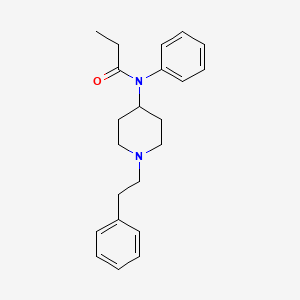
What Is Fentanyl?
Fentanyl is a potent synthetic opioid analgesic first synthesized in 1959 by Belgian chemist Paul Janssen. It is approved for the treatment of severe pain, particularly in cancer patients, and as an anesthetic during surgery. In its pharmaceutical form, fentanyl is sold under brand names including Duragesic, Actiq, and Sublimaze.
Fentanyl now dominates the US overdose crisis. Illicitly manufactured fentanyl (IMF) is pressed into counterfeit pills that look like oxycodone, Xanax, or Adderall, and it is mixed into heroin, cocaine, and methamphetamine. Many users never know they are taking fentanyl, which is why even a single pill can be lethal.
According to the CDC, synthetic opioids other than methadone, almost entirely fentanyl and its analogs, were involved in roughly 74,000 US overdose deaths in 2023. This makes fentanyl the single deadliest drug in American history by annual death count.
How Fentanyl Works in the Brain and Body
Fentanyl is a full agonist at the mu-opioid receptor, the same receptor targeted by morphine, heroin, and oxycodone. When fentanyl binds to these receptors, it blocks pain signals and triggers a surge of dopamine in the brain reward circuit, producing intense euphoria and relaxation.
Because fentanyl is highly lipid soluble, it crosses the blood-brain barrier rapidly, producing effects within seconds when injected or smoked. Its potency is 50 to 100 times greater than morphine, so doses are measured in micrograms rather than milligrams. This narrow margin between an active dose and a fatal dose is the core reason fentanyl is so deadly.
Fentanyl also depresses the brainstem centers that control breathing. At high doses, respiratory drive can stop entirely within minutes, causing hypoxic brain injury or death if the person does not receive naloxone and rescue breathing quickly.
Routes of Administration
- Transdermal patch - prescribed Duragesic patches deliver fentanyl over 72 hours
- Lozenge or lollipop - Actiq for breakthrough cancer pain
- Intravenous injection - hospital anesthesia and illicit use
- Nasal insufflation - snorting powder or crushed counterfeit pills
- Smoking - heating powder on foil and inhaling the vapor
- Oral - counterfeit pressed pills sold as oxycodone, hydrocodone, or benzodiazepines
Short-Term Effects of Fentanyl
The effects of fentanyl appear within seconds to minutes, depending on the route of administration. Peak intoxication typically lasts 30 to 90 minutes, with residual sedation lasting several hours.
| Effect | Description | Onset |
|---|---|---|
| Euphoria | Intense rush of pleasure and warmth | Seconds to 2 min (IV/smoked) |
| Analgesia | Profound pain relief | 1 to 5 min |
| Sedation | Heavy drowsiness, nodding off | 2 to 10 min |
| Nausea and vomiting | Stimulation of chemoreceptor trigger zone | 5 to 15 min |
| Pinpoint pupils | Miosis from opioid receptor activation | 2 to 10 min |
| Respiratory depression | Slow, shallow, or stopped breathing | 2 to 10 min |
| Muscle rigidity | Chest wall stiffness ("wooden chest") | 1 to 5 min |
| Confusion | Impaired awareness and speech | 5 to 15 min |
Long-Term Effects of Fentanyl Use
Chronic fentanyl use damages nearly every major body system and produces profound changes in brain chemistry. Many effects persist long after the person stops using the drug.
Physical Health Consequences
- Cardiovascular damage - chronic hypoxia strains the heart and can cause arrhythmias, low blood pressure, and heart failure
- Respiratory injury - repeated episodes of shallow breathing and aspiration lead to pneumonia, lung scarring, and chronic bronchitis
- Infectious disease - injection use spreads HIV, hepatitis B and C, endocarditis, and serious skin and soft tissue infections
- Gastrointestinal problems - severe constipation, bowel obstruction, and opioid-induced bowel dysfunction
- Hormonal disruption - suppressed testosterone, irregular menstruation, infertility, and reduced bone density
- Immune suppression - higher rates of infection and slower wound healing
Neurological and Psychological Effects
- Cognitive impairment - deficits in memory, attention, and executive function that can persist for months after last use
- Depression and anxiety - the reward system becomes desensitized, making ordinary pleasures feel dull and intensifying negative mood states
- Anhedonia - inability to feel pleasure without the drug, a core driver of relapse
- Sleep disturbances - insomnia, disrupted REM sleep, and sleep apnea
- Hypoxic brain injury - survivors of non-fatal overdose may have permanent cognitive and motor deficits
Fentanyl Overdose Deaths and Statistics
Fentanyl is the deadliest drug in the United States. CDC data show that synthetic opioid deaths, dominated by illicitly manufactured fentanyl, began rising sharply in 2013 and now account for the majority of all drug overdose fatalities. Preliminary 2024 data suggest a modest decline, but fentanyl still kills more Americans than any other substance.
| Year | US Deaths Involving Synthetic Opioids (Fentanyl) | Source |
|---|---|---|
| 2024 (provisional) | Approx. 54,000 | CDC VSRR |
| 2023 | Approx. 74,000 | CDC WONDER |
| 2022 | 73,838 | CDC WONDER |
| 2021 | 70,601 | CDC WONDER |
| 2020 | 56,516 | CDC WONDER |
| 2019 | 36,359 | CDC WONDER |
Signs of Fentanyl Overdose
- Unconsciousness or unresponsiveness to shouting or sternal rub
- Slow, shallow, irregular, or stopped breathing
- Blue or gray lips, fingertips, and skin (cyanosis)
- Pinpoint pupils that do not react to light
- Limp body and loss of muscle tone
- Choking, gurgling, or snoring sounds (the "death rattle")
- Cold or clammy skin
- Slow or absent pulse
Emergency Response and Naloxone
- Call 911 immediately and report a suspected opioid overdose
- Administer naloxone (Narcan nasal spray 4 mg or Kloxxado 8 mg). Repeat every 2 to 3 minutes if the person does not respond
- Perform rescue breathing, one breath every 5 seconds, while waiting for naloxone to take effect
- Place the person in the recovery position on their side to prevent aspiration if they vomit
- Stay with the person until EMS arrives, since fentanyl can outlast naloxone and cause re-overdose
Because fentanyl is so potent, a single dose of naloxone may not be enough. Bystanders should be prepared to give multiple doses and continue rescue breathing until first responders arrive.
Signs of Fentanyl Addiction (DSM-5 Criteria)
Fentanyl use disorder is diagnosed using the 11 DSM-5 criteria for opioid use disorder, which include tolerance, withdrawal, craving, loss of control, and continued use despite harm. Severity is based on the number of criteria met in the past 12 months.
| Severity | Criteria Met | Recommended Action |
|---|---|---|
| Mild | 2 to 3 of 11 | Outpatient evaluation, consider buprenorphine induction |
| Moderate | 4 to 5 of 11 | Intensive outpatient, MAT strongly recommended |
| Severe | 6 or more of 11 | Inpatient or residential, long-term MAT indicated |
Common warning signs include using larger amounts than intended, failed attempts to quit, spending significant time obtaining the drug, neglecting work or family, using in hazardous situations, and needing more fentanyl to achieve the same effect.
Fentanyl Withdrawal Timeline
Fentanyl withdrawal is rarely life-threatening on its own, but it is extremely uncomfortable and a major driver of relapse and overdose. Because fentanyl stores in fatty tissue, withdrawal from chronic use can be longer and more unpredictable than withdrawal from heroin or prescription opioids.
| Phase | Timeframe | Symptoms |
|---|---|---|
| Early | 8 to 24 hours after last dose | Anxiety, restlessness, muscle aches, yawning, sweating, runny nose, watery eyes, insomnia |
| Peak | 1 to 3 days | Nausea, vomiting, diarrhea, stomach cramps, rapid heartbeat, high blood pressure, dilated pupils, goosebumps, intense cravings |
| Subsiding | 4 to 10 days | Physical symptoms decrease, fatigue, irritability, low mood, continued sleep disturbance |
| Post-Acute (PAWS) | Weeks to months | Anxiety, depression, insomnia, anhedonia, intermittent cravings |
Medical supervision is strongly recommended. Withdrawal from illicit fentanyl can be particularly severe, and MAT induction with buprenorphine or methadone dramatically reduces suffering and relapse risk.
Fentanyl Addiction Treatment Options
Medication-Assisted Treatment (MAT)
MAT is the gold standard for treating fentanyl use disorder. All three FDA-approved medications reduce mortality, cut illicit opioid use, and keep people in treatment longer than counseling alone.
| Medication | How It Works | Administration |
|---|---|---|
| Buprenorphine (Suboxone, Sublocade) | Partial mu-opioid agonist, reduces cravings and withdrawal without strong euphoria, ceiling effect on respiratory depression | Daily sublingual film or tablet, or monthly subcutaneous injection (Sublocade) |
| Methadone | Full mu-opioid agonist, stabilizes brain chemistry and blocks withdrawal for 24 hours | Oral liquid or tablet dispensed daily at certified opioid treatment programs |
| Naltrexone (Vivitrol) | Opioid antagonist that blocks the effects of fentanyl and other opioids | Monthly intramuscular injection, requires 7 to 14 days of complete abstinence before first dose |
Because fentanyl is so potent and stores in fat, buprenorphine induction can trigger precipitated withdrawal if started too early. Many clinicians now use low-dose or micro-induction protocols to reduce this risk.
Behavioral Therapies
- Cognitive Behavioral Therapy (CBT) - identifies thoughts, emotions, and situations that trigger use and builds coping skills
- Contingency Management - provides tangible rewards for verified drug-free urine samples, one of the most effective behavioral interventions for opioid use disorder
- Motivational Interviewing - a client-centered approach that resolves ambivalence about change
- 12-Step Facilitation - structured engagement with Narcotics Anonymous and peer recovery communities
- Dialectical Behavior Therapy (DBT) - distress tolerance and emotion regulation skills, especially helpful when trauma or personality disorders are present
- Family therapy - repairs relationships and builds a recovery-supportive home environment
Levels of Care (ASAM Criteria)
| Level | Setting | Typical Duration |
|---|---|---|
| 4.0 | Medically Managed Intensive Inpatient | Days to weeks |
| 3.7 | Medically Monitored Inpatient Detox | 3 to 7 days |
| 3.5 | Residential or Inpatient Treatment | 28 to 90 days |
| 2.5 | Partial Hospitalization (PHP) | 2 to 4 weeks |
| 2.1 | Intensive Outpatient (IOP) | 6 to 12 weeks |
| 1.0 | Standard Outpatient | Ongoing, often 12 months or longer |
Legal Status of Fentanyl
Pharmaceutical fentanyl is a Schedule II controlled substance under the US Controlled Substances Act, meaning it has accepted medical use but a high potential for abuse and dependence. It can only be prescribed by licensed clinicians and dispensed by registered pharmacies.
Illicitly manufactured fentanyl and its many analogs are illegal to produce, distribute, or possess. In 2018 the DEA placed all fentanyl-related substances into Schedule I on an emergency basis, and Congress has repeatedly extended this classification. Trafficking fentanyl carries severe federal penalties, including mandatory minimum sentences tied to quantity.
Most US states have also enacted fentanyl-specific statutes, including drug-induced homicide laws that allow prosecutors to charge dealers when a sale leads to a fatal overdose.
Fentanyl vs Heroin vs Prescription Opioids
Understanding how fentanyl differs from other opioids helps explain why it has been so lethal. Heroin is roughly 2 to 5 times more potent than morphine, while fentanyl is 50 to 100 times more potent. A standard dose of heroin is measured in tens of milligrams, while an active dose of fentanyl is measured in micrograms. This thousand-fold difference in potency leaves almost no margin for error when fentanyl is mixed into street drugs by hand.
Prescription opioids such as oxycodone and hydrocodone are formulated in precise, quality-controlled doses. Counterfeit pills sold on the street look identical to these pharmaceuticals but contain unpredictable amounts of fentanyl, sometimes concentrated in "hot spots" within a single pill. This is why two pills from the same batch can produce a mild effect and a fatal overdose.
Fentanyl Test Strips and Harm Reduction
Fentanyl test strips (FTS) are low-cost immunoassay strips that detect fentanyl in drug residue. They are legal in most states and are an evidence-based harm reduction tool for people who use drugs. A positive strip does not guarantee safety, but it allows users to make informed decisions, start with a smaller test dose, never use alone, and keep naloxone nearby.
Other harm reduction strategies include carrying naloxone, using with a trusted person, calling the Never Use Alone hotline at 1-800-484-3731, and connecting with syringe service programs that provide clean supplies, testing, and linkage to treatment.
Fentanyl Analogs and Street Names
Clandestine chemists have produced dozens of fentanyl analogs, small structural variations that can be even more potent than fentanyl itself. Carfentanil, originally developed as an elephant tranquilizer, is roughly 100 times more potent than fentanyl and 10,000 times more potent than morphine. Other analogs include acetylfentanyl, furanylfentanyl, butyrylfentanyl, and the particularly deadly nitazene compounds that have appeared in the illicit supply since 2019.
Street names for fentanyl and its analogs include China White, China Girl, Apache, Dance Fever, Friend, Goodfellas, Jackpot, Murder 8, TNT, Tango and Cash, King Ivory, and Great Bear. Counterfeit pills are often called "M30s" or "blues" because they are pressed to mimic 30 mg oxycodone tablets.
Who Is Most at Risk of Fentanyl Overdose
Fentanyl does not discriminate, but several groups face sharply elevated overdose risk. People returning to opioid use after a period of abstinence, including those leaving incarceration or inpatient treatment, are especially vulnerable because their tolerance has dropped. Individuals who use alone, mix fentanyl with benzodiazepines or alcohol, or buy pills from unfamiliar sources also face higher risk.
Young people are particularly at risk from counterfeit pills. The DEA reports that roughly 7 in 10 seized counterfeit pills contain a potentially lethal dose of fentanyl. Teenagers buying what they believe is Xanax, Percocet, or Adderall through social media have driven a sharp rise in adolescent overdose deaths since 2019.
People with co-occurring mental health conditions, chronic pain, a history of prior overdose, or limited access to naloxone and treatment are at compounded risk. Connecting these groups with harm reduction services and MAT dramatically reduces mortality.
Fentanyl and Pregnancy
Fentanyl use during pregnancy is associated with serious risks including preterm birth, low birth weight, placental abruption, and neonatal opioid withdrawal syndrome (NOWS). Infants exposed to fentanyl in utero may experience tremors, feeding difficulties, irritability, and seizures that require specialized care.
Pregnant individuals with opioid use disorder should not attempt to stop suddenly, as sudden withdrawal can trigger fetal distress or miscarriage. Buprenorphine and methadone are considered standard of care in pregnancy and are associated with better outcomes for both parent and baby than continued illicit use.
Recovery, Relapse Prevention, and Aftercare
Recovery from fentanyl addiction is a long-term process that typically extends well beyond initial detox and stabilization. The highest risk of fatal overdose occurs in the first two weeks after leaving residential treatment or incarceration, which is why sustained MAT and continuous aftercare are essential.
Effective aftercare plans usually combine ongoing MAT, individual and group therapy, peer support through NA or SMART Recovery, sober living environments when needed, and regular check-ins with a primary care or addiction medicine provider. Take-home naloxone and a written overdose response plan should be part of every discharge.
Families and loved ones also benefit from support. Programs such as Al-Anon, Nar-Anon, and CRAFT (Community Reinforcement and Family Training) help family members set healthy boundaries, reduce enabling behaviors, and encourage their loved one to stay engaged with treatment.
Emergency Resources
| Resource | Contact |
|---|---|
| Emergency Services | 911 |
| SAMHSA National Helpline | 1-800-662-4357 (free, confidential, 24/7) |
| 988 Suicide and Crisis Lifeline | Call or text 988 |
| Poison Control | 1-800-222-1222 |
| Never Use Alone | 1-800-484-3731 |
Sources
- NIDA - Fentanyl DrugFacts
- CDC - About Fentanyl
- CDC WONDER - Overdose Death Data
- SAMHSA - Medications for Substance Use Disorders
- DEA - Fentanyl Fact Sheet
- Wikipedia - Fentanyl
This guide is for educational purposes only and does not constitute medical or legal advice. Always consult a qualified healthcare professional. If you are experiencing an overdose emergency, call 911 immediately. Call 988 (Crisis Lifeline) or 1-800-662-4357 (SAMHSA) for help.
Published by United Rehabs | unitedrehabs.com | Last Updated: April 2026
Frequently Asked Questions
What is fentanyl?
Fentanyl is a powerful synthetic opioid originally developed in 1959 for severe pain relief and surgical anesthesia. It is 50 to 100 times stronger than morphine and binds to mu-opioid receptors in the brain.
What are the side effects of fentanyl?
Short-term effects include euphoria, drowsiness, nausea, confusion, and dangerous respiratory depression. Long-term use can lead to tolerance, dependence, hormonal disruption, cognitive impairment, and fatal overdose.
Is fentanyl addictive?
Yes. Fentanyl is highly addictive because it triggers a rapid, intense release of dopamine in the brain reward circuit, causing quick tolerance, physical dependence, and compulsive use.
Can you overdose on fentanyl?
Yes, and overdose risk is extremely high. As little as 2 mg can be fatal. Signs include slow or stopped breathing, blue lips, pinpoint pupils, and unresponsiveness. Naloxone can reverse overdose but often requires multiple doses.
What treatment is available for fentanyl addiction?
Evidence-based treatment includes medications like buprenorphine, methadone, and extended-release naltrexone, combined with behavioral therapies such as CBT and contingency management, delivered across outpatient, IOP, PHP, and residential levels of care.
Is fentanyl legal?
Pharmaceutical fentanyl is legal by prescription as a Schedule II controlled substance in the United States. Illicitly manufactured fentanyl and fentanyl analogs are illegal and heavily penalized under federal law.