Cocaine
Category: stimulants
Key Facts About Cocaine
- >Cocaine is a Schedule II stimulant - high abuse potential with limited medical use (local anesthetic)
- >23 million people use cocaine worldwide annually (UNODC World Drug Report)
- >24,486 US overdose deaths involved cocaine in 2023 (CDC WONDER)
- >Cocaine's effects last 15-30 minutes (snorted) or 5-10 minutes (smoked as crack)
- >Cocaine constricts blood vessels and raises heart rate - heart attack risk even in young users
- >No FDA-approved medication for cocaine addiction - behavioral therapy is primary treatment
- >Mixing cocaine with alcohol creates cocaethylene, which is more toxic than either substance alone
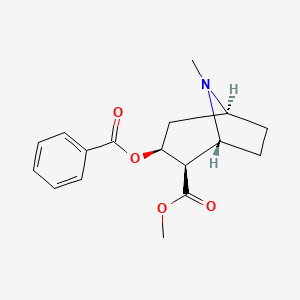
What Is Cocaine?
Cocaine is a powerful central nervous system stimulant extracted from the leaves of the coca plant (Erythroxylum coca), native to South America. It is classified as a Schedule II controlled substance in the United States, meaning it has high abuse potential but limited accepted medical use as a local anesthetic.
The UNODC World Drug Report 2024 estimates that approximately 23 million people worldwide used cocaine in the past year. In the United States, the 2024 SAMHSA National Survey on Drug Use and Health found that 5.7 million Americans aged 12 or older used cocaine in the past year.
How Cocaine Works
Cocaine blocks the reuptake of three key neurotransmitters: dopamine, norepinephrine, and serotonin. By preventing these chemicals from being recycled back into nerve cells, cocaine causes them to accumulate in the synapse, producing amplified signaling.
The dopamine surge is primarily responsible for cocaine's euphoric effects and its addictive potential. Normal activities that release dopamine (eating, social interaction, exercise) produce modest increases. Cocaine can increase dopamine levels by 300-800% above baseline, fundamentally overwhelming the brain's reward circuitry.
Routes of Administration
| Route | Form | Onset | Duration | Bioavailability |
|---|---|---|---|---|
| Intranasal (snorting) | Powder | 3-5 minutes | 15-30 minutes | 60-80% |
| Smoking (crack) | Rock/freebase | 8-10 seconds | 5-10 minutes | 60-70% |
| Intravenous | Dissolved powder | 15-30 seconds | 20-60 minutes | 100% |
| Oral (gumming) | Powder on gums | 10-30 minutes | 45-90 minutes | 33% |
Faster routes of administration (smoking, injection) produce more intense but shorter highs, which drives more compulsive redosing patterns and accelerates the development of addiction.
Cocaine Short-Term Effects
| System | Effect | Mechanism |
|---|---|---|
| Neurological | Euphoria, alertness, increased energy, reduced fatigue | Dopamine and norepinephrine flood |
| Cardiovascular | Increased heart rate, elevated blood pressure, vasoconstriction | Norepinephrine stimulation of sympathetic nervous system |
| Respiratory | Rapid breathing, potential chest pain | CNS stimulation |
| Psychological | Confidence, talkativeness, paranoia (at high doses) | Dopamine and serotonin effects |
| Physical | Dilated pupils, elevated body temperature, decreased appetite | Sympathetic activation |
| Gastrointestinal | Nausea, reduced appetite | Serotonin and norepinephrine effects |
Cocaine Long-Term Effects
Cardiovascular Damage
Chronic cocaine use causes persistent cardiovascular damage that represents the leading cause of cocaine-related death outside of acute overdose:
- Atherosclerosis acceleration - cocaine damages blood vessel linings and promotes plaque buildup at rates far exceeding normal aging
- Cardiomyopathy - the heart muscle weakens and enlarges, reducing its pumping efficiency
- Aortic dissection - tears in the aorta wall, which can be rapidly fatal
- Heart attack - cocaine users have a 7x higher risk of heart attack in the hour after use, regardless of age or fitness
- Arrhythmias - irregular heartbeats that can cause sudden cardiac death
Neurological and Psychological
- Dopamine system damage - chronic use reduces the brain's natural dopamine production, leading to anhedonia (inability to feel pleasure) during abstinence
- Cognitive impairment - deficits in attention, memory, decision-making, and impulse control that can persist months after cessation
- Cocaine-induced psychosis - paranoia, hallucinations (including tactile "coke bugs"), and aggressive behavior
- Seizure threshold reduction - increased vulnerability to seizures
- Cerebrovascular events - hemorrhagic and ischemic strokes
Route-Specific Damage
- Snorting - deviated septum, chronic nosebleeds, loss of smell, nasal septum perforation
- Smoking (crack) - "crack lung" (acute respiratory distress), chronic cough, asthma exacerbation
- Injecting - HIV/hepatitis C transmission, abscesses, endocarditis (heart valve infection), collapsed veins
Cocaine Overdose Deaths and Statistics
| Year | US Deaths Involving Cocaine | Source |
|---|---|---|
| 2023 | 24,486 | CDC WONDER |
| 2022 | 27,569 | CDC WONDER |
| 2021 | 24,486 | CDC WONDER |
| 2020 | 19,447 | CDC WONDER |
| 2019 | 15,883 | CDC WONDER |
Critical context: Over 70% of cocaine overdose deaths also involve opioids, primarily fentanyl. The contamination of cocaine supply with fentanyl has dramatically increased cocaine-related fatalities since 2015. Many users who die from "cocaine overdose" were unaware their cocaine contained fentanyl.
Cocaine Overdose Signs
- Severe agitation, panic, or psychosis
- Chest pain or pressure
- Dangerously elevated body temperature (hyperthermia)
- Seizures
- Irregular or rapid heartbeat
- Difficulty breathing
- Loss of consciousness
Emergency Response
- Call 911 immediately - cocaine overdose can cause cardiac arrest within minutes
- If person is seizing, clear the area of objects and protect their head
- If unconscious and breathing, place in recovery position
- Administer naloxone if available - many cocaine overdoses involve fentanyl contamination
- Cool the person if showing signs of hyperthermia (remove clothing, apply cool water)
- Stay with the person until EMS arrives
Cocaine and Fentanyl: The Deadly Combination
Fentanyl contamination of the cocaine supply has become a critical public health crisis. Users who intentionally avoid opioids are dying because their cocaine contains fentanyl without their knowledge. The DEA reports that fentanyl has been found in cocaine across all major US markets.
Fentanyl test strips can detect fentanyl contamination in cocaine but require proper technique. Dissolving a small amount of cocaine in water and testing before use can identify contaminated batches. However, fentanyl is not always evenly distributed throughout a batch, meaning one portion may test negative while another contains lethal amounts.
Signs of Cocaine Addiction (DSM-5 Stimulant Use Disorder)
| Severity | Criteria Met (of 11) | Clinical Implications |
|---|---|---|
| Mild | 2-3 | Early intervention; outpatient assessment recommended |
| Moderate | 4-5 | Structured treatment; intensive outpatient or PHP |
| Severe | 6+ | Residential treatment strongly recommended |
Key diagnostic indicators include:
- Using more cocaine or for longer than intended
- Persistent desire or unsuccessful efforts to cut down
- Spending excessive time obtaining, using, or recovering from cocaine
- Cravings or strong urges to use
- Failure to fulfill major obligations (work, school, family)
- Continued use despite social or interpersonal problems
- Tolerance - needing more to achieve the same effect
Cocaine Withdrawal Timeline
| Phase | Timeframe | Symptoms |
|---|---|---|
| Crash | Hours to 3 days | Extreme fatigue, increased appetite, depression, irritability, hypersomnia (sleeping 12-20 hours), intense cravings |
| Withdrawal | 1-10 weeks | Anhedonia (inability to feel pleasure), anxiety, irritability, difficulty concentrating, disturbed sleep, intermittent cravings |
| Extinction | Months to years | Episodic cravings triggered by environmental cues, gradually decreasing in frequency and intensity |
Unlike opioid withdrawal, cocaine withdrawal is not typically medically dangerous. However, the profound depression and anhedonia during the withdrawal phase create significant relapse risk and may require psychiatric monitoring.
Cocaine Treatment Options
Medication Research (No FDA-Approved Medications)
Unlike opioid or alcohol addiction, there are currently no FDA-approved medications specifically for cocaine use disorder. Research is ongoing for several candidates:
- Topiramate - anticonvulsant showing promise in reducing cocaine use
- Disulfiram - approved for alcohol use disorder; some evidence for cocaine reduction
- Modafinil - wakefulness agent being studied for cocaine dependence
- Cocaine vaccine - in clinical trials; stimulates antibodies that bind cocaine before it reaches the brain
- N-acetylcysteine (NAC) - antioxidant showing promise in restoring glutamate balance
Behavioral Therapies (Primary Treatment)
- Cognitive Behavioral Therapy (CBT) - identifies and changes thought patterns and behaviors associated with cocaine use. Teaches coping skills for triggers and cravings
- Contingency Management (CM) - provides tangible incentives (vouchers, prizes) for verified cocaine-free urine tests. Has the strongest evidence base for cocaine addiction
- Community Reinforcement Approach (CRA) - restructures social, recreational, and occupational activities to make cocaine-free lifestyle more rewarding than use
- Matrix Model - structured 16-week program combining CBT, family education, individual counseling, 12-step support, and drug testing
- 12-Step Facilitation - engagement with Cocaine Anonymous (CA) or Narcotics Anonymous (NA)
Levels of Care (ASAM Criteria)
| Level | Setting | Duration | Indication |
|---|---|---|---|
| 3.5 | Residential Treatment | 28-90 days | Severe use disorder; unstable environment |
| 2.5 | Partial Hospitalization (PHP) | 2-4 weeks | Moderate severity; stable housing |
| 2.1 | Intensive Outpatient (IOP) | 8-16 weeks | Mild-moderate severity; motivated |
| 1.0 | Outpatient | Ongoing | Maintenance; step-down from higher levels |
Cocaine Legal Status
Cocaine is a Schedule II controlled substance under the US Controlled Substances Act. This means it has high abuse potential but has accepted medical use as a local anesthetic (topical application in certain ear, nose, and throat procedures).
Federal penalties for cocaine trafficking:
- 500g+ powder cocaine: 5-40 years (first offense); 10 years to life (second offense)
- 5kg+ powder cocaine: 10 years to life (first offense); 20 years to life (second offense)
- 28g+ crack cocaine: 5-40 years (first offense)
- 280g+ crack cocaine: 10 years to life (first offense)
The Fair Sentencing Act of 2010 reduced the sentencing disparity between crack and powder cocaine from 100:1 to 18:1. The First Step Act of 2018 made this change retroactive.
Cocaine Emergency Resources
| Resource | Contact |
|---|---|
| Emergency Services | 911 |
| SAMHSA National Helpline | 1-800-662-4357 (free, 24/7) |
| 988 Suicide and Crisis Lifeline | Call or text 988 |
| Poison Control | 1-800-222-1222 |
| Cocaine Anonymous | ca.org |
Cocaine Sources
- NIDA - Cocaine DrugFacts
- CDC WONDER - Drug Overdose Deaths
- UNODC World Drug Report 2024
- DEA - Cocaine Fact Sheet
- SAMHSA - Treatment for Stimulant Use Disorders
- Wikipedia - Cocaine
This guide is for educational purposes only and does not constitute medical or legal advice. Always consult a qualified healthcare professional. If you are experiencing an overdose emergency, call 911 immediately. Call 988 (Crisis Lifeline) or 1-800-662-4357 (SAMHSA) for help.
Published by United Rehabs | unitedrehabs.com
Frequently Asked Questions
What does cocaine do to your body?
Cocaine blocks the reuptake of dopamine, norepinephrine, and serotonin, flooding the brain with these neurotransmitters. This causes intense euphoria, increased energy, and alertness. Physically, cocaine constricts blood vessels, raises heart rate and blood pressure, dilates pupils, and raises body temperature. These cardiovascular effects can cause heart attack, stroke, or sudden cardiac death, even in young, healthy users.
What is the difference between crack and powder cocaine?
Both are cocaine. Powder cocaine (hydrochloride) is snorted or injected. Crack cocaine is cocaine processed with baking soda into a smokable rock form. Crack produces a faster, more intense high (5-10 minutes vs 15-30 minutes) but the effects wear off quicker, leading to more compulsive redosing. Pharmacologically, the cocaine molecule is identical in both forms.
Can you overdose on cocaine?
Yes. Cocaine overdose can cause heart attack, stroke, seizures, respiratory failure, and death. In 2023, 24,486 US deaths involved cocaine (CDC). There is no specific antidote for cocaine overdose - treatment is supportive (managing seizures, cooling body temperature, treating cardiac symptoms). Risk increases dramatically when cocaine is mixed with opioids (fentanyl), alcohol, or other stimulants.
Is cocaine addictive?
Yes, highly addictive. Cocaine produces intense dopamine surges that rewire the brain's reward system. Tolerance develops quickly - users need more to achieve the same high. The DSM-5 classifies cocaine addiction as Stimulant Use Disorder. Approximately 1 in 5 cocaine users develops dependence.
How is cocaine addiction treated?
There are no FDA-approved medications specifically for cocaine addiction. Treatment relies on behavioral therapies: Cognitive Behavioral Therapy (CBT), Contingency Management (rewards for negative drug tests), and community reinforcement approaches. Residential treatment (28-90 days) followed by intensive outpatient programs produces the best outcomes. Research into vaccines and pharmacological treatments is ongoing.
How long does cocaine stay in your system?
Cocaine itself is metabolized quickly (1-2 hours), but its metabolite benzoylecgonine is detectable in urine for 2-4 days after single use, and up to 2 weeks in heavy users. Blood: 12-24 hours. Hair: up to 90 days. Saliva: 1-2 days.