Methamphetamine
Category: stimulants
Key Facts About Methamphetamine
- >Methamphetamine is a Schedule II stimulant - extremely high abuse potential with very limited medical use (Desoxyn for ADHD)
- >2.5 million Americans used meth in 2024 (SAMHSA NSDUH)
- >34,022 US deaths involved psychostimulants (primarily meth) in 2023 (CDC WONDER)
- >Meth releases 1,250 units of dopamine vs 100 from normal activities - 12x the natural reward
- >Crystal meth is the most potent form, smoked or injected for near-instant effects
- >No FDA-approved medication for meth addiction - behavioral therapy is the primary treatment
- >Mexican cartels (CJNG, Sinaloa) are the dominant source of US meth supply (DEA)
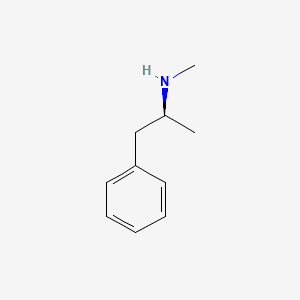
What Is Methamphetamine?
Methamphetamine is a powerful synthetic central nervous system stimulant belonging to the phenethylamine and amphetamine class. First synthesized in 1893 and used medically as a decongestant and weight loss aid, meth became a widespread drug of abuse due to its intense euphoric effects and high addiction potential.
The DEA classifies methamphetamine as a Schedule II controlled substance. One legal formulation exists - Desoxyn, prescribed rarely for severe ADHD and obesity. The vast majority of meth in the US is illicitly manufactured, primarily in Mexican super-labs operated by cartels including CJNG and the Sinaloa Cartel (DEA National Drug Threat Assessment 2024).
SAMHSA's 2024 NSDUH survey found that approximately 2.5 million Americans aged 12 or older used methamphetamine in the past year.
How Methamphetamine Works
Methamphetamine forces the release of massive amounts of dopamine, norepinephrine, and serotonin from nerve terminals while simultaneously blocking their reuptake. Unlike cocaine (which primarily blocks reuptake), meth actively pumps neurotransmitters out of storage vesicles into the synapse.
This mechanism produces dopamine levels approximately 1,250 units compared to 100 units from normal pleasurable activities - a 12x amplification. For comparison, cocaine produces approximately 350 units. This extreme dopamine flood is why meth is considered one of the most addictive substances known.
Methamphetamine Forms and Routes
| Form | Appearance | Route | Onset | Duration |
|---|---|---|---|---|
| Crystal meth (ice) | Clear/blue-white crystals | Smoked, injected | Seconds | 8-24 hours |
| Powder (speed/crank) | White/yellow powder | Snorted, swallowed | 3-20 minutes | 8-12 hours |
| Base (paste) | Damp, oily substance | Injected, swallowed | Minutes | 8-12 hours |
| Pill (yaba, ya ba) | Small colored tablets | Swallowed, smoked | 20-30 minutes | 6-8 hours |
Crystal meth is the most potent and dangerous form due to its high purity and rapid onset when smoked or injected. The long duration of effects (8-24 hours) often leads to multi-day binge patterns ("tweaking") where users stay awake for days.
Methamphetamine Short-Term Effects
| System | Effect | Mechanism |
|---|---|---|
| Neurological | Intense euphoria, hyperalertness, decreased fatigue, hyperfocus | Massive dopamine and norepinephrine release |
| Cardiovascular | Rapid heart rate, elevated blood pressure, irregular heartbeat | Norepinephrine-driven sympathetic activation |
| Thermoregulation | Elevated body temperature (hyperthermia) | CNS stimulation, increased metabolic rate |
| Behavioral | Increased physical activity, talkativeness, decreased appetite | Dopamine and norepinephrine stimulation |
| Psychological | Confidence, grandiosity, paranoia (at high doses), repetitive behaviors | Dopamine excess in reward and psychosis pathways |
| Physical | Dilated pupils, dry mouth, teeth grinding (bruxism), tremors | Sympathetic nervous system activation |
Methamphetamine Long-Term Effects
Neurotoxic Brain Damage
Chronic meth use is directly neurotoxic, destroying dopamine-producing neurons in the brain. NIDA-funded brain imaging studies show that meth users have significantly reduced dopamine transporter levels, which correlates with impaired motor function and cognitive deficits similar to early Parkinson's disease.
- Dopamine system destruction - up to 50% reduction in dopamine transporters; partial recovery possible after 12-14 months of abstinence, but may never fully normalize
- Cognitive impairment - deficits in memory, attention, executive function, and decision-making that can persist years after cessation
- Meth-induced psychosis - paranoia, visual and auditory hallucinations, delusions that can persist weeks to months after last use. Approximately 40% of chronic users experience psychotic symptoms
- Structural brain changes - reduced gray matter volume in frontal and temporal lobes; enlarged striatal structures
Meth Mouth (Dental Destruction)
One of the most visible consequences of chronic meth use is severe dental decay known as "meth mouth." This results from multiple factors:
- Dry mouth (xerostomia) - meth suppresses saliva production, removing the mouth's primary defense against bacteria
- Bruxism - compulsive teeth grinding and clenching damages enamel
- Poor hygiene - users neglect dental care during binges lasting days
- Acidic ingredients - chemicals in meth (battery acid, drain cleaner) directly erode teeth
- Sugar cravings - users consume large amounts of sugary drinks during and after use
A 2015 NIDA-funded study published in the Journal of the American Dental Association found that 96% of meth users had cavities, 58% had untreated tooth decay, and 31% had six or more missing teeth.
Cardiovascular and Physical Damage
- Cardiomyopathy - meth directly damages heart muscle, leading to heart failure
- Pulmonary hypertension - elevated blood pressure in lung arteries
- Stroke - both hemorrhagic and ischemic strokes, even in young users
- Skin sores - from compulsive picking ("meth bugs" - tactile hallucinations of insects under the skin)
- Extreme weight loss - meth suppresses appetite; chronic users often appear emaciated
- Premature aging - users can appear decades older than their actual age
- Kidney damage - rhabdomyolysis (muscle breakdown) can cause acute kidney failure
- Liver damage - hepatotoxicity from both the drug and manufacturing contaminants
Methamphetamine Overdose Deaths and Statistics
| Year | US Deaths Involving Psychostimulants (primarily meth) | Source |
|---|---|---|
| 2023 | 34,022 | CDC WONDER |
| 2022 | 34,022 | CDC WONDER |
| 2021 | 32,537 | CDC WONDER |
| 2020 | 23,837 | CDC WONDER |
| 2019 | 16,167 | CDC WONDER |
Critical context: Meth deaths have more than doubled since 2019. Increasingly, meth is found combined with fentanyl ("speedball" or "goofball"), either intentionally or through supply contamination. Approximately 50% of meth overdose deaths now also involve opioids.
Methamphetamine Overdose Signs
- Chest pain, racing heartbeat, irregular pulse
- Dangerously high body temperature (hyperthermia above 104F/40C)
- Seizures
- Severe agitation, paranoia, or psychosis
- Difficulty breathing
- Loss of consciousness
- Stroke symptoms (facial drooping, arm weakness, speech difficulty)
Methamphetamine Emergency Response
- Call 911 immediately
- If person is seizing, protect their head and clear surrounding objects
- Cool the person - meth hyperthermia kills; remove clothing, apply cool water, fan the person
- Administer naloxone if available - many meth supplies now contain fentanyl
- If conscious, keep them calm; avoid physical restraint if possible
- Stay with the person until EMS arrives
Methamphetamine Supply: The Cartel Pipeline
The DEA's 2024 National Drug Threat Assessment identifies Mexican transnational criminal organizations - primarily CJNG (Jalisco New Generation Cartel) and the Sinaloa Cartel - as the dominant source of methamphetamine in the United States. Small domestic meth labs ("shake and bake" operations) still exist but produce a fraction of overall supply.
Mexican super-labs can produce hundreds of pounds of high-purity crystal meth in a single batch. The drug is trafficked across the US-Mexico border through established smuggling corridors, primarily through California, Arizona, and Texas ports of entry.
Signs of Methamphetamine Addiction (DSM-5 Stimulant Use Disorder)
| Severity | Criteria Met (of 11) | Clinical Implications |
|---|---|---|
| Mild | 2-3 | Early intervention; outpatient assessment |
| Moderate | 4-5 | Structured treatment; IOP or residential |
| Severe | 6+ | Residential treatment strongly recommended |
Behavioral indicators of meth addiction include:
- Extended periods of wakefulness (2-7 days) followed by prolonged "crash" sleep
- Rapid, unexplained weight loss
- Visible dental deterioration
- Skin sores and compulsive picking
- Paranoid behavior, talking about being watched or followed
- Repetitive, purposeless behaviors (disassembling electronics, cleaning obsessively)
- Extreme mood swings between euphoria and depression
- Social withdrawal and deteriorating relationships
Methamphetamine Withdrawal Timeline
| Phase | Timeframe | Symptoms |
|---|---|---|
| Crash | 24-72 hours | Extreme fatigue, hypersomnia (sleeping 12-24 hours), increased appetite, depression, body aches |
| Acute Withdrawal | 1-2 weeks | Severe depression, anhedonia, anxiety, irritability, intense cravings, disturbed sleep, psychomotor retardation |
| Subacute | 2-4 weeks | Gradually improving mood, persistent fatigue, intermittent cravings, difficulty concentrating |
| Post-Acute (PAWS) | Months to years | Episodic depression, cravings triggered by environmental cues, cognitive fog, anhedonia that slowly resolves |
Meth withdrawal is not typically life-threatening but the profound depression and suicidal ideation during the acute phase require psychiatric monitoring. The extended post-acute withdrawal period (months to years) reflects the time required for dopamine systems to partially recover from neurotoxic damage.
Methamphetamine Treatment Options
Medication Research (No FDA-Approved Medications)
Like cocaine, there are currently no FDA-approved medications specifically for methamphetamine use disorder. Active research areas include:
- Naltrexone + bupropion combination - showing promise in clinical trials for reducing meth use
- Mirtazapine - antidepressant being studied for meth withdrawal symptoms
- Ibudilast - anti-inflammatory showing potential in reducing meth cravings
- Anti-methamphetamine monoclonal antibodies - in early-stage research
- GLP-1 receptor agonists (semaglutide) - emerging research suggests possible benefit for stimulant use disorders
Behavioral Therapies (Primary Treatment)
- Matrix Model - 16-week structured program specifically designed for stimulant addiction; combines CBT, family education, individual counseling, 12-step support, and drug testing. Has the strongest overall evidence base for meth addiction
- Contingency Management (CM) - provides tangible incentives for verified meth-free urine tests. Strongest evidence for initiating abstinence
- Cognitive Behavioral Therapy (CBT) - identifies triggers and develops coping strategies; effective for relapse prevention
- Motivational Interviewing - resolves ambivalence about treatment; effective for engaging reluctant patients
- 12-Step Facilitation - Crystal Meth Anonymous (CMA) and Narcotics Anonymous (NA)
Levels of Care (ASAM Criteria)
| Level | Setting | Duration | Indication |
|---|---|---|---|
| 3.7 | Medically Monitored Detox | 5-14 days | Severe depression, suicidal ideation, psychosis |
| 3.5 | Residential Treatment | 60-90 days | Severe use disorder; longer stays needed due to extended recovery timeline |
| 2.5 | Partial Hospitalization (PHP) | 3-6 weeks | Moderate severity; stable housing |
| 2.1 | Intensive Outpatient (IOP) | 12-16 weeks | Matrix Model typically delivered at this level |
| 1.0 | Outpatient | Ongoing | Maintenance; long-term relapse prevention |
Note: Meth addiction typically requires longer treatment durations than opioid or alcohol addiction due to the extended timeline for dopamine system recovery. The National Institute on Drug Abuse recommends a minimum of 90 days of residential treatment for severe meth use disorder.
Methamphetamine Legal Status
Methamphetamine is a Schedule II controlled substance under the US Controlled Substances Act. The only FDA-approved formulation is Desoxyn (methamphetamine hydrochloride), prescribed rarely for ADHD and exogenous obesity.
Federal trafficking penalties:
- 5-49g pure meth or 50-499g meth mixture: 5-40 years (first offense)
- 50g+ pure meth or 500g+ meth mixture: 10 years to life (first offense); 20 years to life (second offense)
- If death or serious injury results: 20 years to life (first offense); life (second offense)
Many states have additional penalties for manufacturing, possession of precursor chemicals (pseudoephedrine), and operating meth labs near schools or residential areas.
Methamphetamine Emergency Resources
| Resource | Contact |
|---|---|
| Emergency Services | 911 |
| SAMHSA National Helpline | 1-800-662-4357 (free, 24/7) |
| 988 Suicide and Crisis Lifeline | Call or text 988 |
| Poison Control | 1-800-222-1222 |
| Crystal Meth Anonymous | crystalmeth.org |
Methamphetamine Sources
- NIDA - Methamphetamine DrugFacts
- CDC WONDER - Drug Overdose Deaths
- DEA - Methamphetamine Fact Sheet
- SAMHSA NSDUH 2024
- FRONTLINE PBS - The Meth Epidemic
- Wikipedia - Methamphetamine
This guide is for educational purposes only and does not constitute medical or legal advice. Always consult a qualified healthcare professional. If you are experiencing an overdose emergency, call 911 immediately. Call 988 (Crisis Lifeline) or 1-800-662-4357 (SAMHSA) for help.
Published by United Rehabs | unitedrehabs.com
Frequently Asked Questions
What does methamphetamine do to your body?
Meth floods the brain with dopamine (12x normal levels), causing intense euphoria, hyperactivity, and decreased need for sleep. Physically, it raises heart rate, blood pressure, and body temperature. Chronic use causes severe dental decay (meth mouth), skin sores from compulsive picking, extreme weight loss, and cardiovascular damage. Neurotoxic effects include destruction of dopamine neurons, which may be partially irreversible.
What is the difference between meth and crystal meth?
Crystal meth is a purer, more potent form of methamphetamine that appears as clear or blue-white crystals. Regular meth (powder/speed) is typically less pure and is snorted or swallowed. Crystal meth is usually smoked or injected, producing a faster, more intense high. Both contain the same active molecule - methamphetamine - but crystal meth's higher purity makes it more addictive and dangerous.
Can you overdose on meth?
Yes. Meth overdose can cause heart attack, stroke, organ failure, hyperthermia (dangerously high body temperature), and death. In 2023, 34,022 US deaths involved psychostimulants primarily meth (CDC). There is no specific antidote - treatment is supportive. Risk increases when meth is combined with opioids (fentanyl contamination increasingly common), alcohol, or other stimulants.
Is meth addictive?
Extremely addictive. Meth produces a dopamine surge approximately 12 times greater than natural rewards. This rapidly rewires the brain's reward system, creating powerful cravings. Tolerance develops quickly. The DSM-5 classifies meth addiction as Stimulant Use Disorder. Approximately 1 in 4 meth users develops dependence, one of the highest rates of any drug.
How is meth addiction treated?
There are no FDA-approved medications specifically for meth addiction. The most effective treatment is the Matrix Model - a 16-week program combining CBT, contingency management, family education, and 12-step support. Contingency management (providing rewards for negative drug tests) has the strongest evidence base. Residential treatment followed by long-term outpatient support produces the best outcomes.
How long does meth stay in your system?
Meth has a long half-life of 10-12 hours. Detection windows: urine 3-5 days (up to 7 days for heavy users), blood 1-3 days, saliva 1-4 days, hair up to 90 days. Meth's long duration of action (8-24 hours) contributes to extended binge patterns.