MDMA
Category: club-drugs
Key Facts About MDMA
- >MDMA is a synthetic psychoactive drug that acts as both a stimulant and a mild hallucinogen by releasing serotonin, dopamine, and norepinephrine (NIDA).
- >About 2.2 million Americans age 12 or older reported past-year MDMA use in the 2022 National Survey on Drug Use and Health (SAMHSA NSDUH).
- >Most pills and powders sold as Ecstasy or Molly are adulterated, often containing methamphetamine, ketamine, cathinones, or fentanyl (DEA).
- >MDMA is a Schedule I controlled substance in the United States with no currently accepted medical use, though clinical trials for PTSD are ongoing.
- >Acute risks include hyperthermia, dehydration, hyponatremia, and serotonin syndrome, which can cause seizures, organ failure, and death.
- >There are no FDA-approved medications for MDMA use disorder; treatment relies on behavioral therapies and comprehensive supportive care.
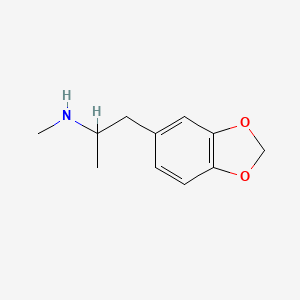
Chemical Data
| Chemical Name | 3,4-methylenedioxy-N-methylamphetamine |
| Formula | C11H15NO2 |
| Molar Mass | 193.246 g/mol |
| CAS Number | 42542-10-9 |
| PubChem CID | 1615 |
| Drug Class | Empathogen / entactogen (stimulant and psychedelic) |
| Schedule (US) | Schedule I |
| Receptor Target | Serotonin, dopamine, and norepinephrine transporters |
What Is MDMA?
MDMA, short for 3,4-methylenedioxy-methamphetamine, is a synthetic psychoactive drug that produces stimulant effects and mild hallucinogenic or empathogenic experiences. It was first synthesized by the German pharmaceutical company Merck in 1912 and re-emerged in the 1970s when psychotherapists briefly used it as an adjunct to therapy before it was scheduled as illegal in 1985.
On the street, MDMA is sold as pressed pills stamped with cartoon logos (Ecstasy) or as a crystalline powder marketed as pure (Molly). Despite the "pure" branding, laboratory analysis by DanceSafe and the DEA consistently shows that most pills and powders sold as MDMA contain adulterants including methamphetamine, ketamine, synthetic cathinones (bath salts), caffeine, and increasingly fentanyl.
MDMA became culturally associated with rave and electronic dance music scenes in the 1990s and remains widely used at music festivals, clubs, and private gatherings. According to the 2022 National Survey on Drug Use and Health, about 2.2 million Americans age 12 or older reported past-year use.
How MDMA Works in the Brain and Body
MDMA acts primarily as a releasing agent for three key neurotransmitters: serotonin, dopamine, and norepinephrine. It enters presynaptic neurons through monoamine transporters and forces them to release large amounts of stored serotonin into the synapse, which accounts for the drug's signature feelings of emotional closeness, empathy, and euphoria.
The simultaneous release of dopamine drives the stimulant and reinforcing effects, while norepinephrine release increases heart rate, blood pressure, and body temperature. This triple mechanism separates MDMA from pure stimulants like cocaine or amphetamine and from classic psychedelics like LSD or psilocybin.
After the initial surge, serotonin stores are depleted. This depletion is thought to underlie the "Tuesday blues" or mid-week crash that many users describe, and repeated use may produce lasting changes in serotonin signaling and mood regulation.
Routes of Administration
- Oral pills - the most common route, with pressed tablets ranging from 50 to 250+ mg per pill
- Capsules - gelatin caps filled with powder sold as Molly
- Sublingual or buccal - powder placed under the tongue or in the cheek
- Nasal insufflation - snorting powder, which produces a faster onset and shorter duration
- Rectal - "plugging," uncommon but reported for higher bioavailability
- Injection - rare and considered particularly dangerous
Short-Term Effects of MDMA
Effects typically begin 30 to 60 minutes after oral ingestion, peak around 90 minutes, and last 3 to 6 hours. Users often describe an initial "coming up" phase followed by a prolonged plateau of emotional openness and sensory enhancement.
| Effect | Description | Onset |
|---|---|---|
| Euphoria and emotional warmth | Intense feelings of wellbeing, closeness, and empathy toward others | 30 to 60 min |
| Increased energy | Heightened alertness and desire to move, dance, or socialize | 30 to 45 min |
| Sensory enhancement | Music, touch, light, and color feel more vivid and pleasurable | 45 to 90 min |
| Jaw clenching and bruxism | Involuntary tightening of the jaw and teeth grinding | 30 to 90 min |
| Tachycardia and hypertension | Faster heart rate and elevated blood pressure | 30 to 60 min |
| Hyperthermia | Dangerously elevated body temperature | 60 to 120 min |
| Dehydration or water retention | Sweating, thirst, or inappropriate antidiuretic hormone release | 30 to 120 min |
| Nausea and loss of appetite | Stomach upset and reduced desire to eat | 30 to 90 min |
Long-Term Effects of MDMA Use
Regular MDMA use has been linked to a range of persistent physical, cognitive, and psychological changes. Animal studies and some human imaging studies suggest serotonergic neurons can be damaged by repeated high doses, though the exact clinical significance in humans remains debated.
Physical Health Consequences
- Cardiovascular strain - sustained elevation of heart rate and blood pressure raises long-term cardiac risk
- Liver damage - hepatotoxicity has been reported, especially with heavy or chronic use
- Kidney injury - dehydration, rhabdomyolysis, and hyponatremia can cause acute kidney failure
- Dental problems - chronic bruxism leads to worn enamel, cracked teeth, and jaw pain
- Sexual dysfunction - difficulty achieving orgasm and reduced libido, sometimes lasting weeks
- Immune suppression - laboratory studies suggest short-term impairment of immune function after dosing
Neurological and Psychological Effects
- Memory and cognitive deficits - heavy users show impairments in verbal memory, attention, and executive function compared to non-users
- Depression and anxiety - serotonin depletion contributes to depressed mood, irritability, and panic attacks, especially in the days after use
- Sleep disturbance - insomnia and fragmented sleep architecture can persist for weeks
- Anhedonia - a flattened ability to experience pleasure from normal activities
- Hallucinogen persisting perception disorder (HPPD) - rare but reported visual disturbances that outlast acute use
- Potential serotonergic neurotoxicity - reductions in brain serotonin transporter density seen on imaging in heavy users
MDMA Overdose Deaths and Statistics
Fatal overdose from MDMA alone is less common than with opioids or benzodiazepines, but deaths do occur, and adulteration has made the risk unpredictable. Most MDMA-related deaths involve hyperthermia, hyponatremia, serotonin syndrome, polydrug use, or fentanyl contamination.
| Year | US Emergency Department Visits or Deaths Involving MDMA | Source |
|---|---|---|
| 2022 (est.) | Approx. 2.2 million past-year users reported | SAMHSA NSDUH |
| 2021 | Over 2 million past-year users reported | SAMHSA NSDUH |
| 2011 | 22,498 MDMA-related ED visits | DAWN |
| 2005 | 10,220 MDMA-related ED visits | DAWN |
Overdose Signs
- Dangerously high body temperature above 103 F (hyperthermia)
- Rapid or irregular heartbeat, chest pain, or fainting
- High blood pressure followed by sudden collapse
- Confusion, agitation, or panic
- Seizures or muscle rigidity
- Severe headache, nausea, and vomiting
- Loss of consciousness
- Signs of hyponatremia (water intoxication): headache, confusion, swelling, seizures
- Signs of serotonin syndrome: tremor, sweating, clonus, hyperreflexia, hyperthermia
Emergency Response
- Call 911 immediately and report a suspected MDMA or stimulant overdose
- Move the person to a cool environment and remove excess clothing to reduce body temperature
- Apply cool water or ice packs to the neck, armpits, and groin for active cooling
- Keep the person calm and hydrated, but do not force large volumes of water, which can worsen hyponatremia
- Monitor breathing and heart rate and begin CPR if the person becomes unresponsive and pulseless
- Carry naloxone in case the pill contained fentanyl, and administer it if breathing slows
Signs of MDMA Addiction (DSM-5 Criteria)
DSM-5 classifies problematic MDMA use under "Other Hallucinogen Use Disorder." Diagnosis requires at least 2 of 11 criteria in the past 12 months, including tolerance, loss of control, cravings, and continued use despite harm.
| Severity | Criteria Met | Recommended Action |
|---|---|---|
| Mild | 2 to 3 of 11 | Outpatient counseling, harm reduction education |
| Moderate | 4 to 5 of 11 | Intensive outpatient (IOP) with CBT and contingency management |
| Severe | 6 or more of 11 | Residential or inpatient treatment with co-occurring mental health care |
Warning signs include using MDMA more frequently than planned, requiring higher doses for the same effect, neglecting responsibilities after use, and continuing despite depression, memory problems, or relationship harm.
MDMA Withdrawal Timeline
MDMA does not produce the dramatic physical withdrawal seen with opioids or alcohol, but users commonly experience a characteristic comedown driven by serotonin depletion. Symptoms can be severe enough to drive repeated use and require clinical attention.
| Phase | Timeframe | Symptoms |
|---|---|---|
| Acute comedown | 12 to 48 hours after last dose | Fatigue, low mood, irritability, muscle aches, jaw soreness, loss of appetite |
| Mid-week crash | 2 to 5 days | Depression, anxiety, insomnia, difficulty concentrating, emotional sensitivity |
| Subsiding | 1 to 2 weeks | Mood gradually returns to baseline, cravings may emerge |
| Post-Acute (PAWS) | Weeks to months with heavy use | Persistent low mood, anhedonia, sleep disturbance, impaired memory |
Medical supervision is recommended for heavy users, particularly those with pre-existing depression or anxiety, because post-MDMA mood states are linked to increased suicide risk in vulnerable individuals.
MDMA Addiction Treatment Options
Medication-Assisted Treatment (MAT)
There are currently no FDA-approved medications for MDMA use disorder. Clinicians may prescribe medications to manage specific symptoms such as depression, anxiety, or insomnia, but no pharmacotherapy directly targets MDMA dependence.
| Medication | How It Works | Administration |
|---|---|---|
| SSRIs (e.g., sertraline, fluoxetine) | Used off-label to treat post-MDMA depression, anxiety, and mood instability | Daily oral dosing, clinical monitoring required |
| Trazodone or mirtazapine | Off-label support for insomnia during recovery | Evening oral dosing |
| Bupropion | Sometimes used off-label for low energy, motivation, and co-occurring nicotine use | Daily oral dosing |
Note: MDMA itself is being studied in Phase 3 trials as an adjunct to psychotherapy for PTSD, but this research is conducted only in carefully controlled clinical settings and is not a treatment for MDMA addiction.
Behavioral Therapies
- Cognitive Behavioral Therapy (CBT) - identifies triggers, high-risk situations, and thought patterns that lead to MDMA use and builds coping skills
- Contingency Management - provides tangible rewards for verified abstinence, strongly supported by evidence for stimulant-type drugs
- Motivational Interviewing - explores ambivalence about change and strengthens commitment to reducing or stopping use
- Matrix Model - a structured 16-week outpatient program originally designed for stimulant use disorders
- 12-Step Facilitation - engagement with Narcotics Anonymous or other recovery communities
- Trauma-informed therapy - addresses underlying trauma that often drives recreational drug use
Levels of Care (ASAM Criteria)
| Level | Setting | Typical Duration |
|---|---|---|
| 4.0 | Medically Managed Intensive Inpatient | Days to weeks (rare for MDMA alone) |
| 3.7 | Medically Monitored Inpatient | 3 to 7 days for acute stabilization |
| 3.5 | Residential or Inpatient Treatment | 28 to 90 days |
| 2.5 | Partial Hospitalization (PHP) | 2 to 4 weeks |
| 2.1 | Intensive Outpatient (IOP) | 6 to 12 weeks |
| 1.0 | Standard Outpatient | Ongoing, often 6 to 12 months |
Adulteration and the Risk of Fake Molly
One of the biggest dangers of MDMA in 2026 is not pure MDMA itself, it is what is sold under that name. Pill-testing services and the DEA routinely find tablets labeled as Ecstasy containing methamphetamine, PMA, PMMA, synthetic cathinones, ketamine, caffeine, or fentanyl. Some "Molly" samples have contained no MDMA at all.
PMA and PMMA are especially dangerous because they act slowly, leading users to redose, and cause lethal hyperthermia at doses similar to MDMA. Fentanyl contamination in MDMA pills and powder has been documented in multiple US cities and is linked to a growing number of unexpected opioid overdoses.
Harm reduction organizations such as DanceSafe offer reagent test kits and on-site checking at festivals, and fentanyl test strips are widely available. No chemical test can guarantee safety, but testing provides meaningful protection against the most lethal adulterants.
MDMA, Music Festivals, and Polydrug Use
MDMA use is concentrated at music festivals, nightclubs, and electronic dance events where the combination of high ambient temperature, prolonged dancing, and dehydration multiplies overdose risk. Research consistently links festival environments to MDMA-related hospitalizations and deaths.
Polydrug use is another major risk factor. Mixing MDMA with alcohol accelerates dehydration and masks warning signs of overheating. Combining MDMA with SSRIs, MAO inhibitors, tramadol, or other serotonergic drugs can trigger fatal serotonin syndrome. Stacking MDMA with cocaine or methamphetamine amplifies cardiovascular strain.
MDMA and Mental Health
Because MDMA acts powerfully on serotonin, it interacts closely with mood, anxiety, and trauma processing. People with a personal or family history of depression, bipolar disorder, panic disorder, or psychosis are at elevated risk for acute psychiatric reactions and prolonged mood disturbances after recreational use.
Some users report temporary relief of social anxiety and enhanced self-reflection, which is part of why therapists in the 1970s and 1980s explored MDMA clinically. However, unsupervised recreational use lacks the safety screening, dosing precision, integration therapy, and medical monitoring that defined those early therapeutic protocols. Recreational use can deepen underlying mood disorders rather than heal them.
Clinicians treating MDMA users should screen for co-occurring depression, anxiety, PTSD, suicidal ideation, and other substance use disorders. Integrated dual-diagnosis care produces the best outcomes for people whose MDMA use is entangled with trauma or untreated mental illness.
Who Is Most at Risk
Several groups face elevated risk of serious MDMA-related harm. Young adults between 18 and 29 account for most emergency department visits, reflecting peak festival and nightlife participation. People with undiagnosed heart conditions, including long QT syndrome and hypertrophic cardiomyopathy, can suffer sudden cardiac events even at moderate doses.
Users on prescription antidepressants, particularly SSRIs, SNRIs, and MAO inhibitors, face a sharply increased risk of serotonin syndrome. Individuals who redose multiple times in one night, mix MDMA with alcohol, or use in hot, crowded venues compound every category of risk. First-time users who underestimate potency and obtain MDMA from untested sources are especially vulnerable.
Harm Reduction Strategies
Abstinence is the only way to fully avoid MDMA-related harm, but evidence-based harm reduction dramatically reduces the likelihood of serious injury for people who choose to use. Organizations such as DanceSafe, The Loop, and Zendo Project have pioneered these approaches at festivals and nightlife venues around the world.
- Test every substance using reagent kits and fentanyl test strips before consuming anything
- Start low and go slow, beginning with a small test dose and waiting at least 90 minutes before considering more
- Avoid redosing, which dramatically increases neurotoxicity and post-use depression
- Take breaks from dancing to cool down, and sip roughly 500 ml of water per hour (not more, to avoid hyponatremia)
- Do not mix with alcohol, SSRIs, MAO inhibitors, tramadol, or other serotonergic medications
- Use with trusted friends who know the warning signs of overheating and serotonin syndrome
- Limit frequency to no more than every 1 to 3 months to reduce cumulative neurological risk
- Carry naloxone in case of fentanyl contamination
Legal Status of MDMA
MDMA was placed in Schedule I of the US Controlled Substances Act by the DEA in 1985 on an emergency basis and permanently in 1988. Schedule I designation means the DEA considers MDMA to have a high potential for abuse and no currently accepted medical use in the United States.
Possession, manufacture, and distribution carry significant federal penalties, and most states have parallel statutes. In August 2024 the FDA rejected an application for MDMA-assisted therapy for PTSD, but further clinical research continues under regulatory oversight.
Internationally, MDMA is controlled under the 1971 UN Convention on Psychotropic Substances, though some countries have different schedules and a few have begun piloting supervised therapeutic access under research protocols.
Australia became the first country to reclassify MDMA for limited therapeutic use in 2023, allowing authorized psychiatrists to prescribe it for treatment-resistant PTSD. Canada operates a Special Access Program that permits case-by-case MDMA-assisted therapy.
In the United States, recreational possession still carries serious federal penalties, and state laws can add prison time, fines, and felony records that affect employment, housing, and financial aid for years after a conviction.
Emergency Resources
| Resource | Contact |
|---|---|
| Emergency Services | 911 |
| SAMHSA National Helpline | 1-800-662-4357 (free, confidential, 24/7) |
| 988 Suicide and Crisis Lifeline | Call or text 988 |
| Poison Control | 1-800-222-1222 |
| DanceSafe Harm Reduction | dancesafe.org |
Sources
- NIDA - MDMA (Ecstasy/Molly) DrugFacts
- SAMHSA - National Survey on Drug Use and Health
- DEA - Ecstasy / MDMA Fact Sheet
- NIDA Research Report - MDMA Abuse
- Wikipedia - MDMA
This guide is for educational purposes only and does not constitute medical or legal advice. Always consult a qualified healthcare professional. If you are experiencing a medical emergency, call 911 immediately. Call 988 (Crisis Lifeline) or 1-800-662-4357 (SAMHSA) for help.
Published by United Rehabs | unitedrehabs.com | Last Updated: April 2026
Frequently Asked Questions
What is MDMA?
MDMA (3,4-methylenedioxy-methamphetamine) is a synthetic drug classified as a stimulant and mild hallucinogen. It is commonly known as Ecstasy in pill form and Molly in crystalline powder form, and it produces feelings of euphoria, emotional warmth, and heightened sensory perception.
What are the side effects of MDMA?
Short-term effects include euphoria, increased energy, jaw clenching, elevated heart rate, and hyperthermia. Long-term and repeated use can cause memory problems, anxiety, depression, sleep disturbance, and potential serotonin neurotoxicity.
Is MDMA addictive?
MDMA has moderate addictive potential. Some users develop tolerance, cravings, and withdrawal-like symptoms, and studies show MDMA activates brain reward circuits in ways similar to other stimulants, though dependence rates are lower than for opioids or cocaine.
Can you overdose on MDMA?
Yes. MDMA overdose can cause severe hyperthermia, seizures, rhabdomyolysis, kidney failure, liver damage, and serotonin syndrome. Mixing MDMA with other drugs, taking adulterated pills, or dancing in hot environments significantly increases the risk of fatal overdose.
What treatment is available for MDMA addiction?
There are no FDA-approved medications for MDMA use disorder. Evidence-based treatment includes cognitive behavioral therapy, motivational interviewing, contingency management, and support groups, delivered through outpatient, IOP, PHP, or residential programs.
Is MDMA legal?
No. MDMA is a Schedule I controlled substance in the United States, meaning it is illegal to manufacture, distribute, or possess outside of authorized research. Penalties vary by state and quantity.